

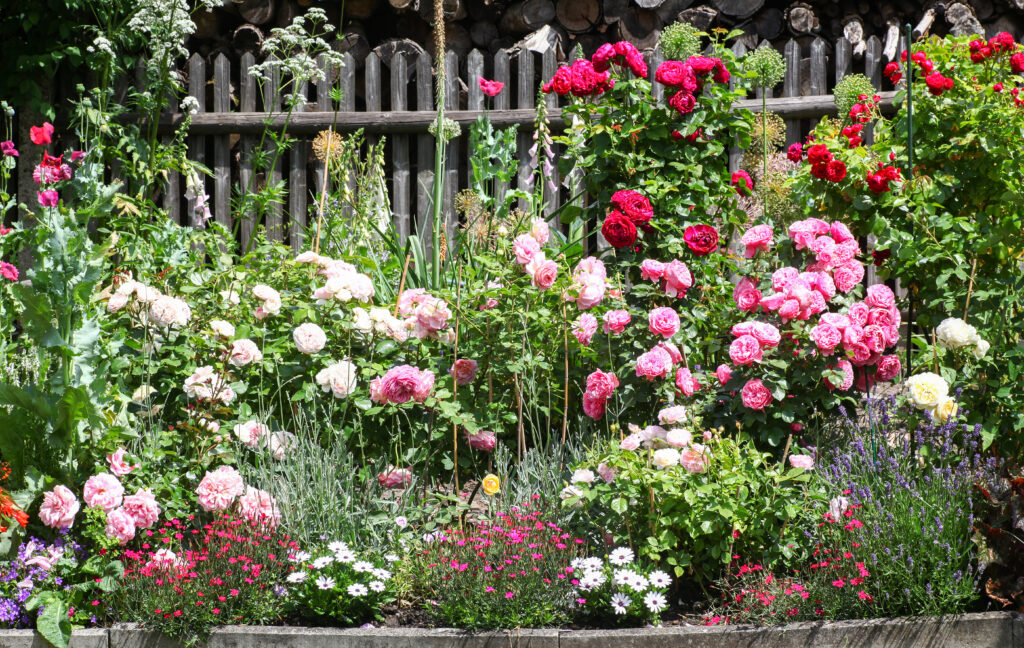
Why Growing Roses at Home Matters More Than You Think
Roses are everywhere, especially around Valentine’s Day. What you may not know is that those pretty posies travel a long way before they ever reach a vase. Most roses sold in the U.S. today are grown in other countries and end up traveling long distances to reach you.
That long supply chain has a big environmental cost — and it puts distance between us and the flowers we love so much. You can close that gap by growing your own roses at home — and it’s easier than you think! They may have a reputation for being fussy, but you’ll soon see how simple it is to create a thriving rose garden of your own.
Where Do Most of Today’s Roses Come From?
Unfortunately, the majority of “fresh” roses aren’t as fresh as they could be. Almost all of the roses sold today are imported. The total market size for fresh roses in the United States was worth $1.225 billion in 2024 — and of that market, the U.S. imported $1.224 billion worth of fresh roses. The five largest exporters to the U.S. in 2024 were Colombia, Ecuador, Guatemala, Mexico, and Ethiopia.
That spells bad news for rose lovers. Imported roses just don’t last as long in a vase as homegrown, and on top of that, the distance traveled and cold storage required adds up to a big impact on the environment.
Supporting American flower farms and growing roses at home won’t replace global flower farming, but it does give homeowners a more local, sustainable option. Even one rose bush in your yard or garden will give you lasting enjoyment while reducing your reliance on long supply chains.
Rose Varieties: What’s Your Type?
Many homeowners have the idea that rose growing requires you to be a master gardener or plant whisperer. However, lots of today’s rose varieties are bred for resilience, disease resistance, and repeat blooming. Success comes down to planting them in the right spot and providing consistent care.
Even more importantly, if you’re a beginner at growing roses, the best thing you can do is choose the right variety. Start with roses that not only match your climate and available space, but that are also known for disease resistance.
In general, there are three broad categories of rose varieties:
- Old garden roses, which are rose varieties that existed before 1867. These typically bloom once per season — but they’re highly regarded for their rich fragrance and classical shapes.
- Modern roses are those that were bred after 1867 to create plants with larger flowers and longer blooming seasons.
- Wild roses, which are roses that grow naturally — no hybridization. While they’re often mistaken for brambles, they do have pretty five-petaled pink or white blooms.
Within these larger categories, the experts at the American Rose Society recognize several common classes. The list below will help you choose a rose that has the look and growth habits you love best.
- Hybrid tea roses (modern): These are hybrid roses with large blooms and long stems — the kind you’ll most commonly see at florists, but they’re also a popular landscape rose, too.
- Grandiflora roses (modern): Grandifloras look similar to hybrid teas, but they grow taller, and their flowers appear in clusters instead of singly on stems.
- Floribunda roses (modern): Floribunda flowers can be single or double-petaled, they grow in clusters, and they’re slightly smaller than hybrid teas — but this rose is one of the easiest to grow, requiring little maintenance while delivering constant blooms.
- Polyantha roses (old garden): These plants grow into small, compact bushes with small blooms, making them ideal as a hedge or border plant.
- Miniature and miniflora roses (modern): These are small versions of larger types of roses. They’re ideal for small spaces and container gardening.
- Shrub roses (modern): Shrub roses offer a wide variety of different kinds of flowers, from those that resemble simpler wild roses to varieties like the David Austin English Roses, which combine old garden beauty with a longer blooming season. They grow in spreading shrubs — and they’re a popular choice for beginners because they’re typically hardy and low maintenance.
- Climber and rambler roses: Climbers are considered modern roses. Many have more ornate flowers, and they bloom repeatedly on canes that can grow from 8-15 feet. Ramblers are old-world roses that generally bloom only once per season on long, flexible canes. Both types require support and can be trained on arbors or trellises, and both are generally very cold-hardy.
Good Grow Habits and Practices for Healthy Roses
Once you’ve chosen the right roses, good growing practices will make all the difference. Below, you’ll discover what you need to do to cultivate healthy plants and blooms.
Sunlight and Location
Roses are sun lovers, which means they prefer full sun but will tolerate between six to eight hours of sun each day. Their preferred spot will have good air circulation to prevent mildew growth. Make sure the growing location provides plenty of space for mature growth because crowded roses are more prone to disease.
Soil and Planting
When it comes to soil, think of Goldilocks and the Three Bears: Soil shouldn’t be soggy or overly dry. Somewhere in the middle is just right.
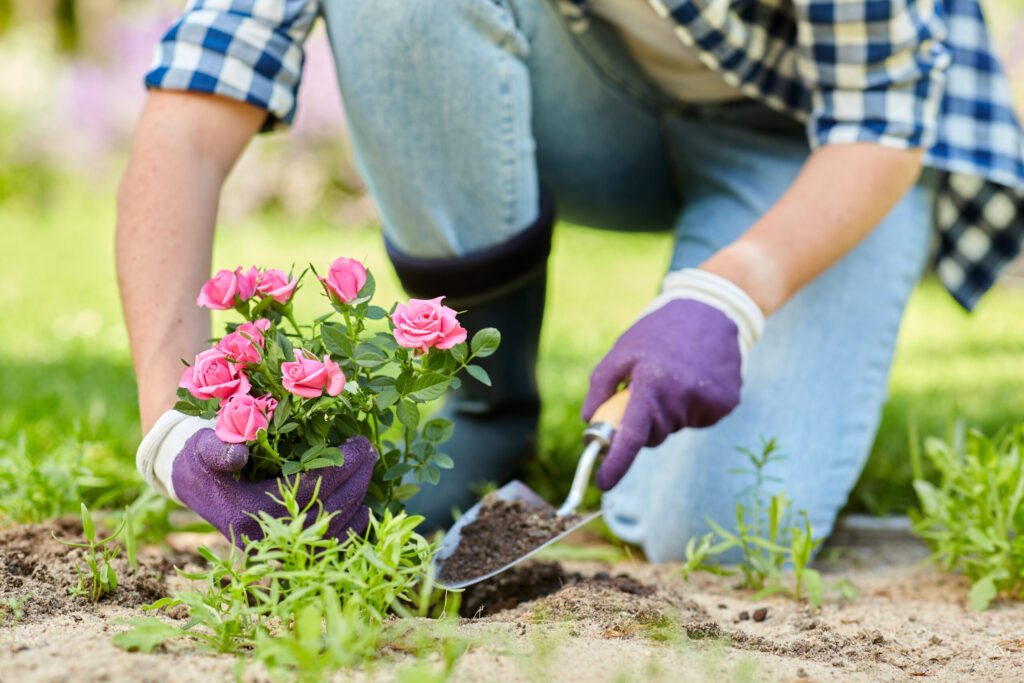
Make sure to check the tag that comes with your specific rose variety to ensure that you plant it at the right depth. Adding mulch around the rose not only reduces weed growth, but also retains moisture and regulates soil temperature.
Watering Roses the Right Way
The real secret to healthy, happy roses isn’t garden magic. It’s a root system that grows deep and strong. You can encourage that type of root development by watering less often, but watering deeply. Daily shallow waterings encourage underdeveloped root systems and stressed plants.
To water roses deeply, aim the water at the base of the plant rather than the leaves. Wet foliage can lead to mildew or brown spots. Soaker hoses are a great choice because they slowly release water right into the soil, where roots need it most. Simply wrap the hose around the base of the plant. For a more long-term setup, you can cover it with mulch to help hold moisture in place.
Let the soaker hose run until the soil is moist a few inches below the surface—this encourages roots to grow deeper and makes plants stronger. If you’re using sprinklers instead, choose spot sprinklers or spray heads that can be aimed low to keep water off the leaves. Using a timer with interval or “pulse” watering can also help. It waters in short bursts with pauses in between, giving water time to soak into the soil and reducing runoff.
To water deeply, make sure to water around the base of the plant while avoiding wetting the foliage since damp foliage can develop mildew or brown spots. If you have a sprinkler, soaker hose, or watering system, run it for an hour or two so that moisture soaks deep to encourage downward root growth.
Ongoing Care for Long-Lasting Blooms
Get started with spring care by using a balanced rose fertilizer early in the season after the first growth emerges. Throughout the blooming season, you can use a bloom-boosting fertilizer every two to four weeks to support new bud formation. Roses like their beauty rest, too. Make sure to stop feeding your roses between six and eight weeks prior to your region’s first frost to allow the plants to slow down and prepare for winter dormancy.
Tackle pruning in late winter or early spring. Use clean pruning shears to remove dead, diseased, or crossing canes. If your rose bushes are growing too tightly, prune healthy stems about ¼-inch above the first outward-facing branch bud to help the bush grow into a nice vase-like shape that promotes better airflow.
Throughout the blooming season, be sure to deadhead (remove dead flowers) regularly to promote new flushes of blooms. Keep an eye out for pests and diseases, too, so that you can identify and remedy them quickly.
Grow Roses That Mean More
Imported roses are convenient — especially around Valentine’s Day when the roses in your garden aren’t yet blooming. However, homegrown roses are more sustainable, more personal, and more rewarding.
You don’t need a green thumb or certification as a master gardener. With the right variety, a good planting location, and consistent watering, growing roses is easy for gardeners of all experience levels. A few thoughtful choices can lead to beautiful blooms that truly mean more.



Winterizing Your Lawn: A Step-by-Step Guide
As the temperatures drop and the days shorten, winterizing [...]
Oct